
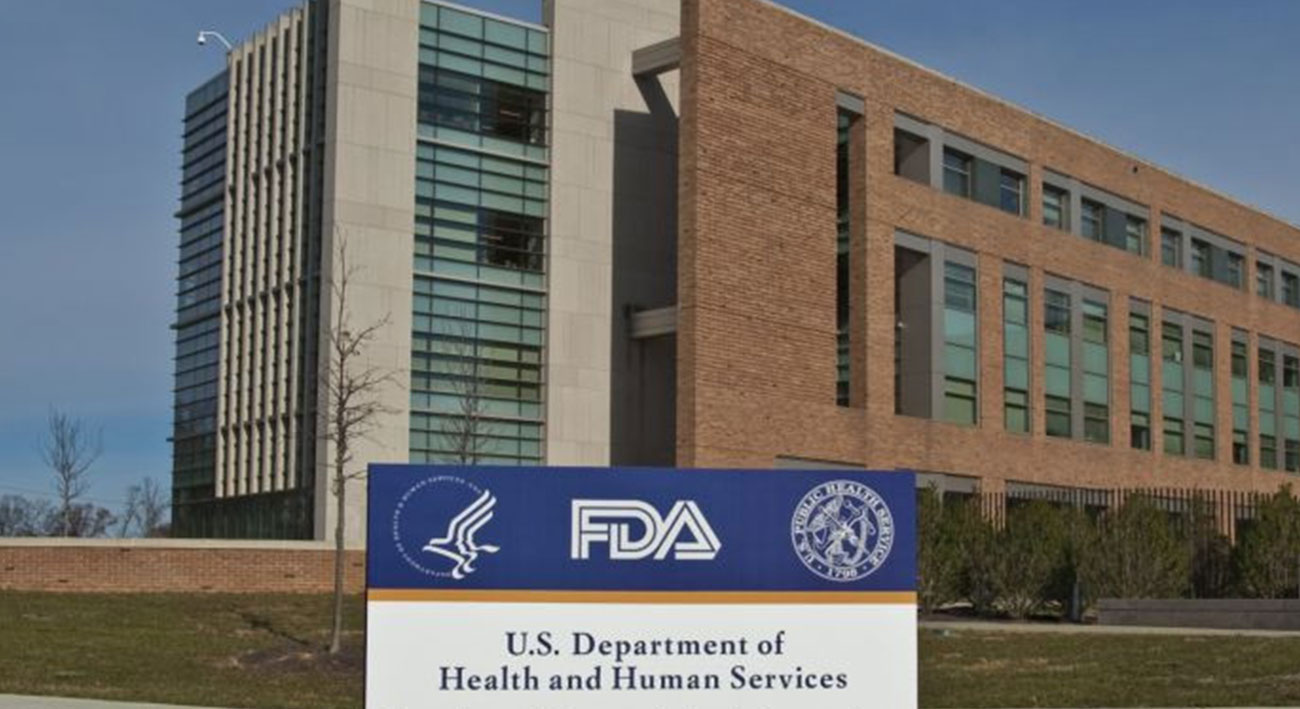
FDA consultants have unanimously approved the registration of Eli Lilly's drug for Alzheimer's disease.
The FDA advisory committee has recommended the approval of donanemab for early-stage Alzheimer's disease, noting that its benefits outweigh the risks. Clinical trial data showed that donanemab slows disease progression by 35% but has serious side effects.
The advisory committee of the Food and Drug Administration (FDA) has unanimously recommended the approval of donanemab for early-stage Alzheimer's disease, as reported by the New York Times.
All 11 members of the FDA committee believe that the benefits of Eli Lilly's drug outweigh its risks. The consultants also agree that the existing clinical trial data demonstrate the efficacy of donanemab in treating Alzheimer's disease.
The consultants suggested that doctors and patients be allowed to discontinue monthly injections of the drug if a significant portion of amyloid plaques in the brain is cleared. The accumulation of these plaques is a major factor in the development of the neurodegenerative disease.
Although the FDA is not obligated to follow the advisory committee's recommendations, it typically agrees with its opinions. The positive assessment by the committee members may lead to the approval of donanemab in the U.S. by the end of this year. If approved, it would become the second authorized treatment for Alzheimer's disease, following Leqembi (lecanemab) from Biogen and Eisai.
Phase III clinical trial data involving 1,700 participants showed that donanemab could slow the progression of Alzheimer's disease by 35% compared to a placebo. However, the trials also reported some side effects, including three deaths among those taking the drug. Additionally, about 30% of participants experienced microhemorrhages, and another 25% had brain edema, though most complications were asymptomatic.
Source: Pharmaceutical Bulletin