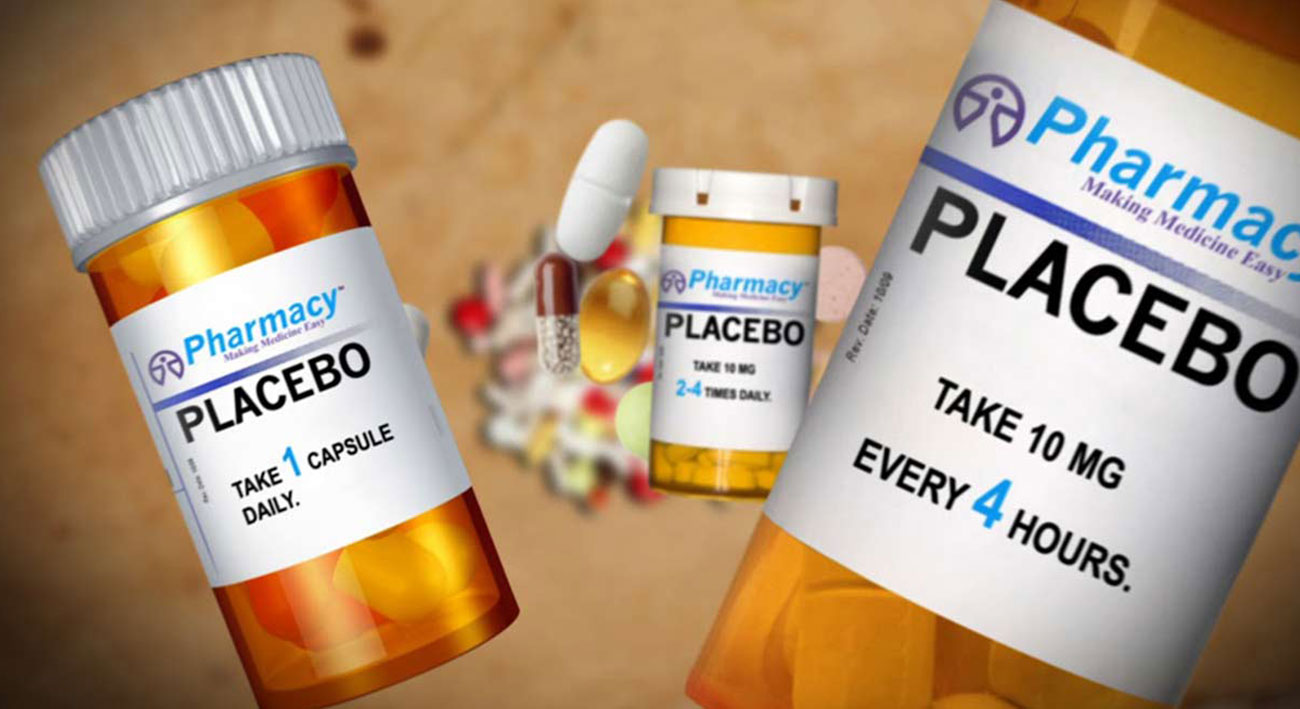
The placebo effect is not just about positive thinking, as commonly believed. It is about the belief that a treatment or procedure will work. This effect strengthens the connection between the brain and the body, influencing how they interact. However, it is crucial to understand that the placebo effect is not a magic cure—it will not lower cholesterol levels or treat serious diseases.
The placebo effect mainly influences symptoms controlled by the brain, such as the perception of pain. According to Harvard University researchers, studies have shown that placebos work best for conditions like stress-related insomnia, pain, and side effects of chemotherapy, including fatigue and nausea.
Is the placebo effect good or bad?
For years, the placebo effect was seen as a flaw in medical studies. Today, it is widely used in clinical trials to test the effectiveness of treatments, especially in pharmaceutical research. In these trials, one group of participants receives an actual drug, while another group receives a placebo without knowing it. If both groups show similar results or no significant improvements, the drug is deemed ineffective.
However, scientists have recently realized that the placebo effect does not necessarily mean a treatment is ineffective. Instead, it suggests that a different, non-pharmacological mechanism is at play. Despite numerous studies, the exact way the placebo effect works remains unclear. It is known that placebo responses involve complex neurobiological reactions, including increased levels of neurotransmitters like dopamine and endorphins, which improve well-being. It also activates specific brain regions associated with mood, emotional responses, and self-awareness. Together, these factors can create therapeutic effects.
The role of treatment rituals
A crucial factor for the placebo effect to work is the ritual of treatment. Studies comparing real drugs to placebos show that environmental and ritualistic factors play a role.
For example, visiting a doctor regularly, undergoing medical examinations, and receiving treatments in a clinical setting all contribute to how the body perceives symptoms. The attention and care from medical professionals reinforce the belief in recovery.
Does the placebo effect work if you know it’s a placebo?
Often, placebos work because people do not know they are taking an inactive substance, such as homeopathic remedies. But does the placebo effect still work if patients know they are taking a placebo?
According to Harvard Health Publishing, a 2014 study published in Science Translational Medicine tested how people with migraines responded to pain relief medications. Participants were divided into three groups: one took real migraine medication, the second knowingly took placebo pills labeled as “placebo,” and the third took nothing at all. The results showed that the placebo effect was 50% as effective as the real medication in reducing pain after a migraine attack. Researchers suggest that this happens because of the act of taking medication itself—we associate it with a positive healing outcome, even if we know it is a placebo.
Final thoughts
The placebo effect is neither good nor bad—it is a natural phenomenon that works in many situations. However, it is not a cure-all. While it can provide symptom relief, it cannot replace real treatment for serious conditions like cancer or cardiovascular diseases. Relying on homeopathic remedies instead of evidence-based medicine can be dangerous. It is essential to approach health with caution and be wary of those selling miracle cures.